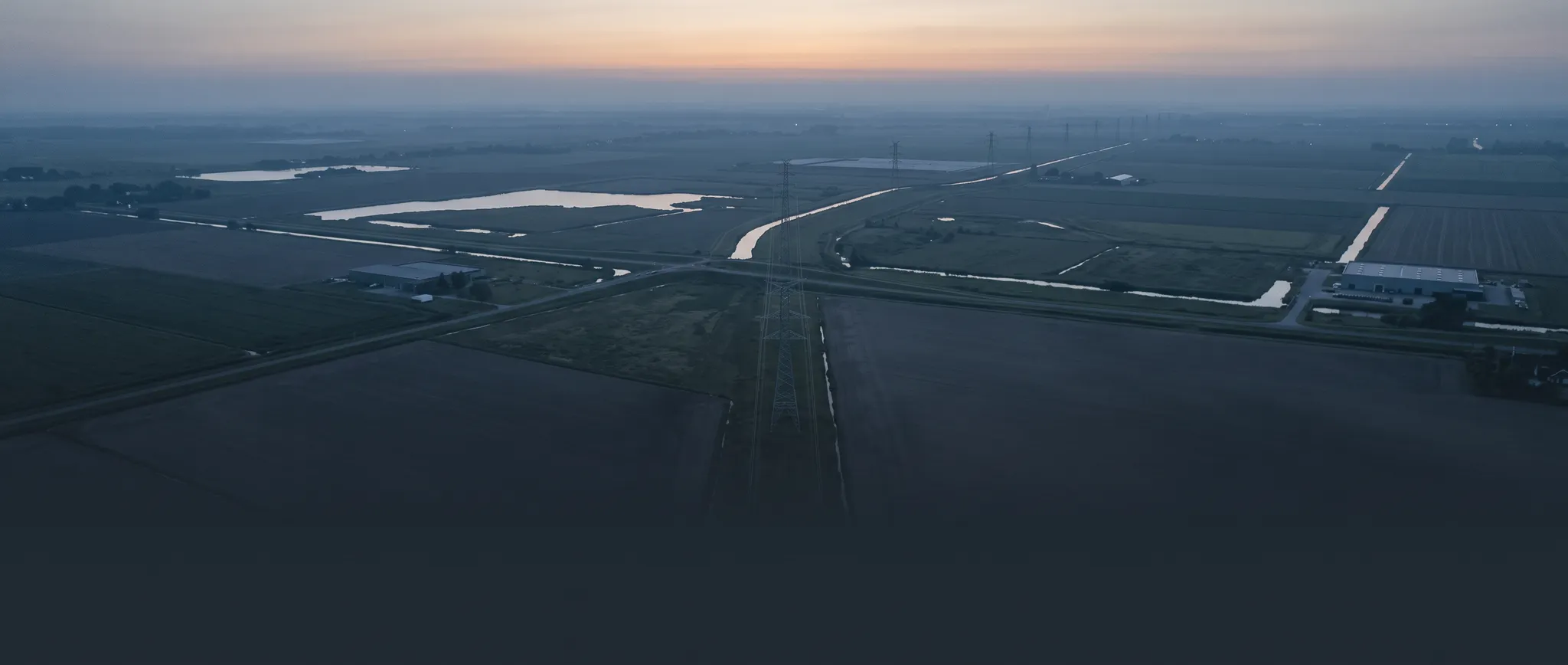
Productive land use
A development path that responds to the site's current condition and long-term role.
CDIP starts by listening to the people and institutions that understand a location. Local priorities can shape the development conversation before commitments are fixed.
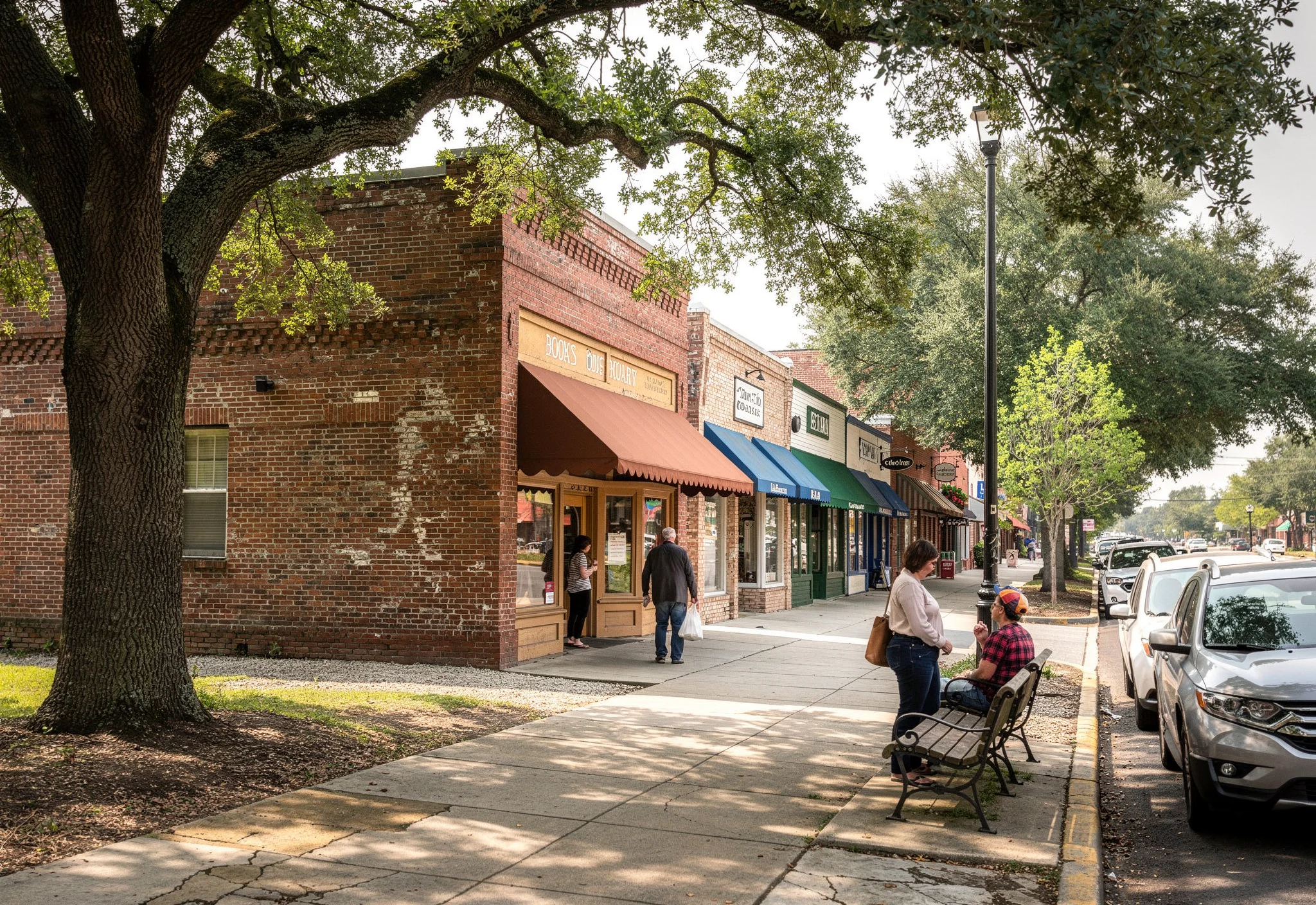
A development path that responds to the site's current condition and long-term role.
Ways for local institutions and communities to participate in the value a development creates, subject to agreements for each project.
Opportunities for qualified local businesses where the project scope and delivery model allow.
Partnerships considered against actual project needs and local priorities.
Potential support defined with the institutions responsible for local services.
Commitments shaped around documented needs and a clear method of accountability.
The answer depends on the project, utility context, infrastructure, and operating model.
Requirements must be defined for each proposed design and discussed with local providers.
Site layout, equipment, setbacks, and operating conditions need review for each project.
Workforce and procurement effects should be described only when scope and timing are known.
Any request should be evaluated transparently against local policy and project economics.
Approved commitments should be documented, assigned, and reported through a defined process.
CDIP listens to landowners, public agencies, utilities and community organizations early, before commitments are fixed.

The form and terms depend on the location. Approved commitments should be documented, assigned and reported through a defined process.
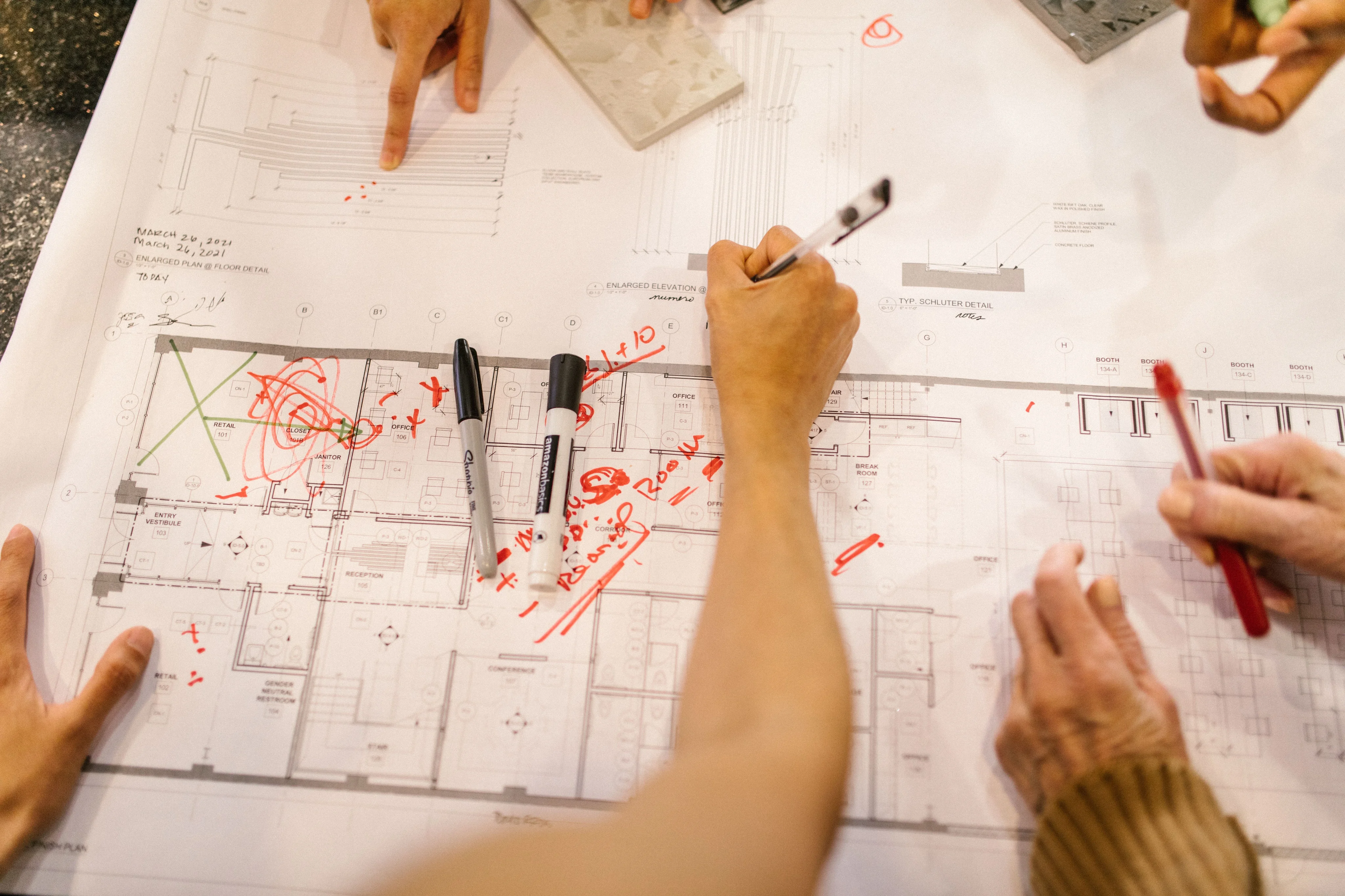
If you represent a community, municipality, institution, or local organization, tell us what should be understood first.